Stir-Fried Taiwan Cabbage with Sakura Ebi, is a humble yet delicious dish. But to me, this is one of the best dishes in the world.
The first ingredient is Sakura Ebi. Belying its small size, they are vey tasty. However, there are only 2 countries in which this variety of shrimps can be caught: Japan and Taiwan. Even in Taiwan, there are 2 places it can be found: off the waters of Nanfang'ao in Yilan County and Pingtung. The second ingredient is Taiwanese Cabbage, or Flat Cabbage. They are grown with the fresh waters from the mountain, and when fried, they become very crispy. Together, the crunchy textures of the cabbage meets the intricate taste of the shrimps, where sweet meets savoury result in culinary bliss.
But what if we add Kampot Pepper to this dish? When spiced up with Kampot Pepper, we would be bringing together 3 best ingredients to 1 dish. We are "Deep Local", serving dishes that are based on our deep understanding of local ingredients and cultures, which augment and enhance one another in harmony. That is what r+ brings to the table.
With a new week, we take a moment to admire the scenery of the Taiwan Farmland Landscape in Yilan. Plateaus of green are co-exist with man-made structures like concrete drains and the occasional pylon. Taiwanese planning and infrastructure for these farmlands are a sight to behold, with each field having 2 drains, one for fresh water and one for discharge.
At r+, we strive to work in harmony with the local environment to achieve sustainable growth for all by planning for the new rural.
I've been quite busy over the past week as I travel between Singapore, Cambodia and Taiwan. One thing struck me when I was in Taiwan was the concrete dividers and drains in the Padi fields. It is a common sight to see these Padi Fields with concrete drains by the side of the tarmac road. But when you think about it, this shows the ultimate state of farming in Taiwan, with the highest level of sophistication of having a solid concrete component. To elaborate, the Taiwanese have established farming at a level of proximity to an urban object such as a road, and accepted the co-existence of both a crop field and a road. This does capture the Taiwanese Landscape - they know that they need to co-exist with nature instead of conquering it.
In Cambodia, we have farm plots next to dirt tracks, and sometimes farm plots are overtaken by certain developers. I have heard of stories of the insecure nature of the farmland; one day you can have a fishing pond, and the next day, someone bulldozes and puts backfill into it. In Taiwanese farms, everything is secured, no one is going to bulldoze a plot of land the next day. From the geopolitical landscape, to the farm, there is a level of sophistication, the vision that each farm plot will one day have a concrete and definite drain next to it.
At r+, we develop the new rural. We advocate modern technology and sustainable techniques so that the local communities can develop sustainably, while co-existing with nature to create a better future for all.
As summer arrives, watermelon is a classic fruit to beat the heat! Above is a picture of r+ lumo'an located in Taiwan. Nestled in a gorge along Taiping Shan in Yilan, away from the hustle and bustle, is a watermelon farm. Farmers make use of modern technology to cultivate a classic Taiwanese Fruit that is well beloved across the world
Our r+ properties are designed to be sensitive and respectful to the local environment, while providing award winning living spaces for our customers.
Preparations continue for r+ cafe | grains. While discussions continue with our chef, the scenery caught our attention. For locals in Kampot, the sea has always been a source of their livelihoods, providing sustenance and income with the seafood fishermen catch.
A question then came to mind: Where does our fish come from? A case can be made for either the fishermen or the sea itself. At r+, we view that both the environment and local producers are important, and we endeavour to work with both to achieve sustainable growth.
We are casting for inspiration at local establishments as we sample foods to shortlist the best representatives of Kampot cuisine.
r+ is launching a "Flavors of Kampot" dining concept, where we'll be featuring a different chef regularly at r+ cafe | grains. Diners can expect mouth-watering dishes prepared with world-class techniques and service.
Salt and Pepper
"Kampot is a town of many wonders - it’s got the sea, the mountains, the rivers, GI salt and GI pepper, the farm stays and the laid back old French town feel. I would live in Kampot."
- Andy Goh, Founder and CEO of r+
Kampot is home to wonderful local produce. Salt and pepper are a mainstay for many dining establishments because of their flavor-enhancing properties. With Kampot being a source of sea salt and Kampot pepper, our dishes at r+ cafe | grains are sure to be an odyssey for the tastebuds.
Synergising local specialties with world class service is what we do at r+.
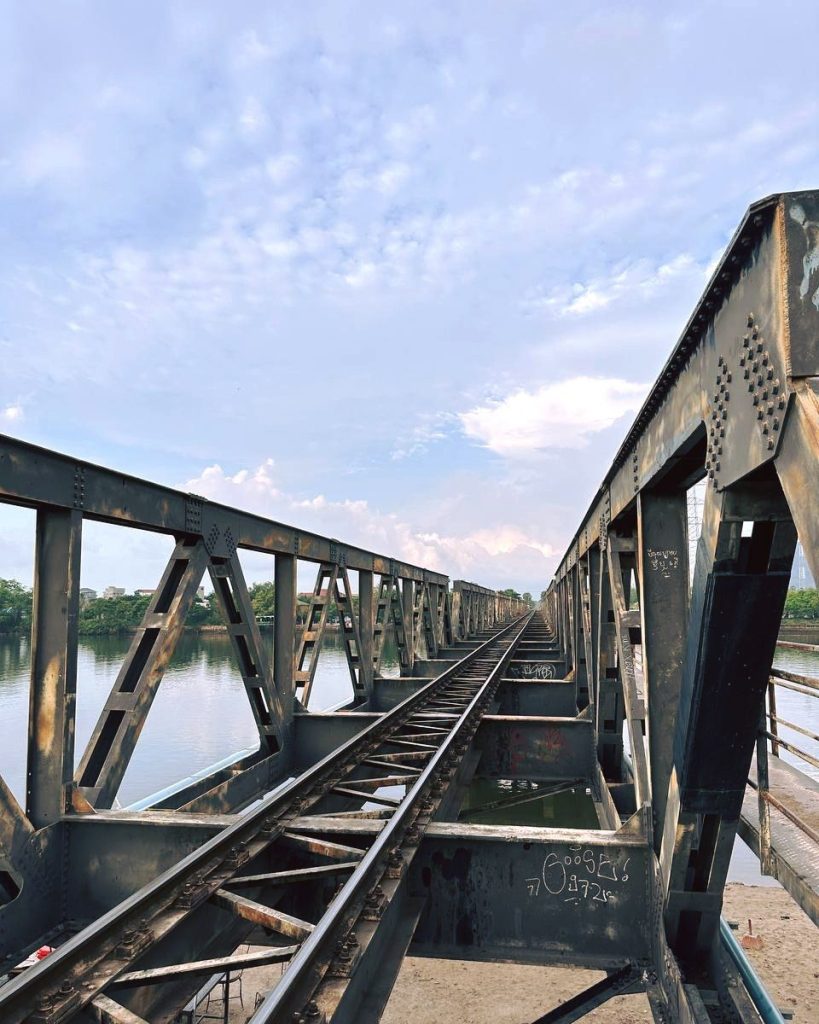
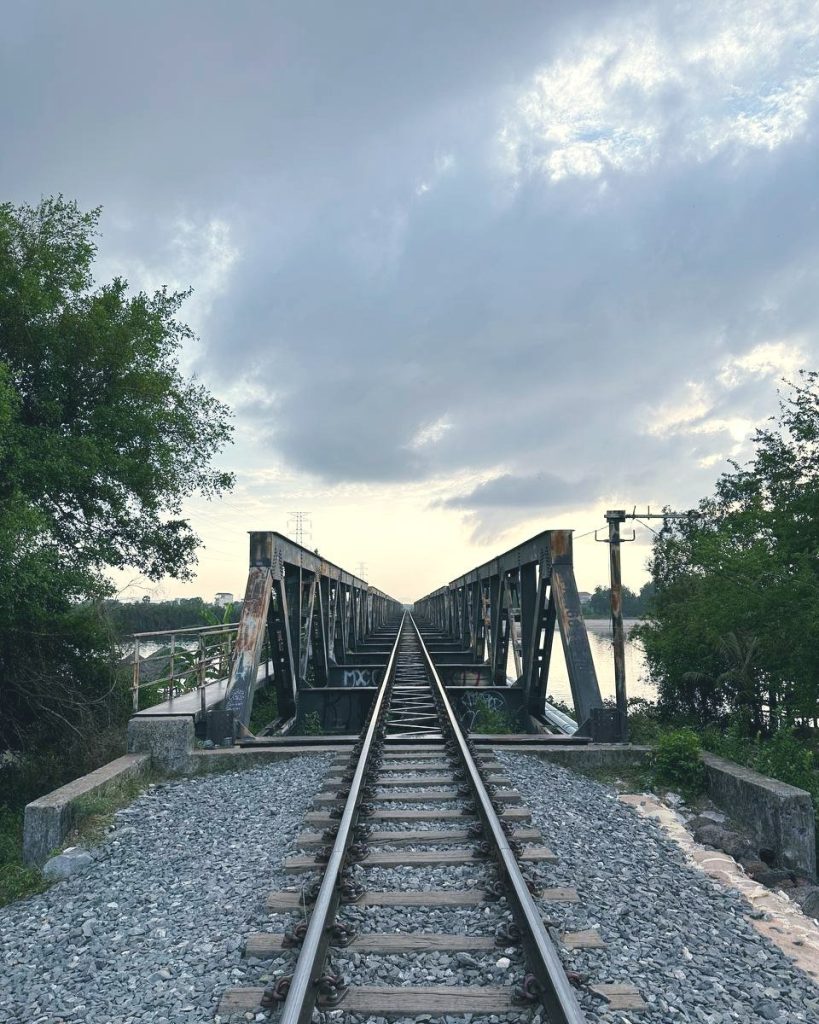
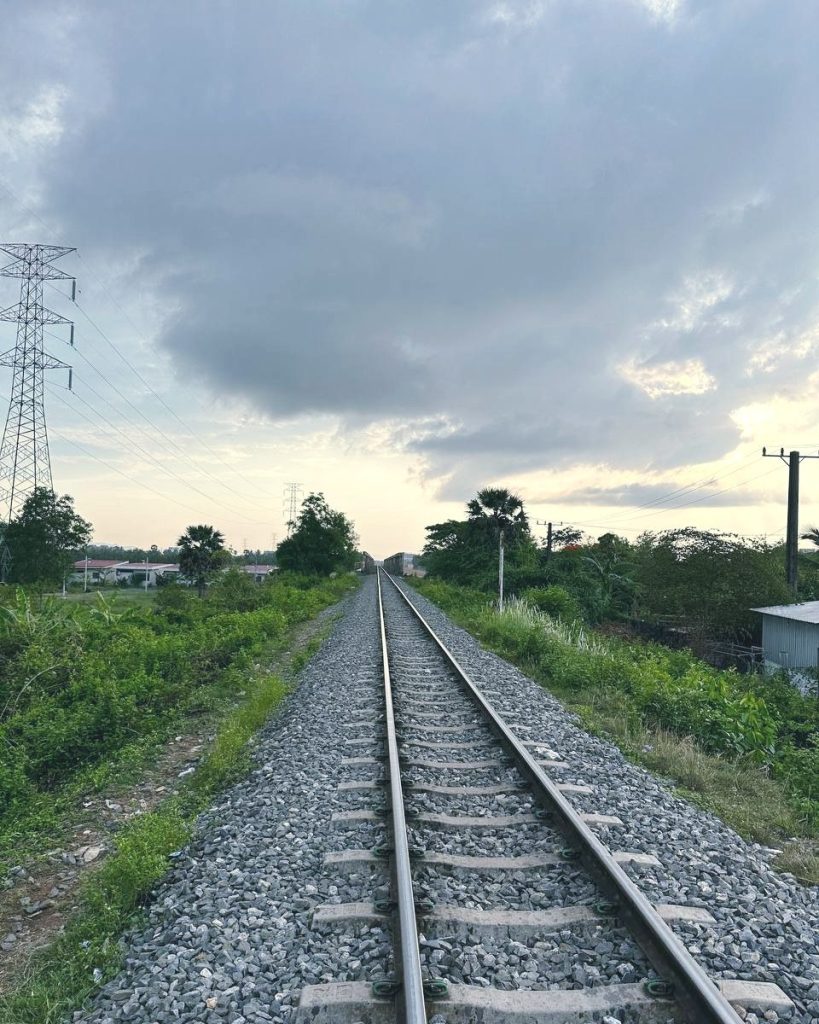
While work continues on r+ cafe | grains, we're taking a moment to appreciate the train network in Kampot, Cambodia. While our MRT system in Singapore is modern and largely subterranean, most trains in Kampot exude a rustic feel, with cargo being trundled from station to station. These trains chug through the countryside amidst natural and beautiful landscapes that harbour great potential if sensitively developed.
As we journey into a brighter tomorrow, r+ supports meaningful exchanges, working in tandem with the environment and local communities.
Our R&D team is just in with a scoop! We are working with Jonah Foods to upcycle unsold mangoes into mango ice cream. This ice cream has 0% added sugars and no milk, yet possesses the creamy texture we crave.
Development is still ongoing for Jonah Foods, and the ice cream is expected to become available in a month's time for Singapore and Cambodia. Diners at r+ cafe | grains will get first dibs!
The farmers of Kampot cultivate several types of mangoes, known by their local names as Keo Romeat, Phomsen and Keo Chen. At this time of the year, the weather is balmy and mangoes are plentiful. However, these fruits may not always reach the processing plants in time or the demand is insufficient, leading to perfectly good mangoes being dumped.
At r+, we are trying to reduce such wastage by upcycling these fruit into juice or drying them. In this way, we can achieve our aim of reducing detriment to nature and minimising food wastage.
Image source: https://www.khmertimeskh.com/.../both-hands-tied.../...
